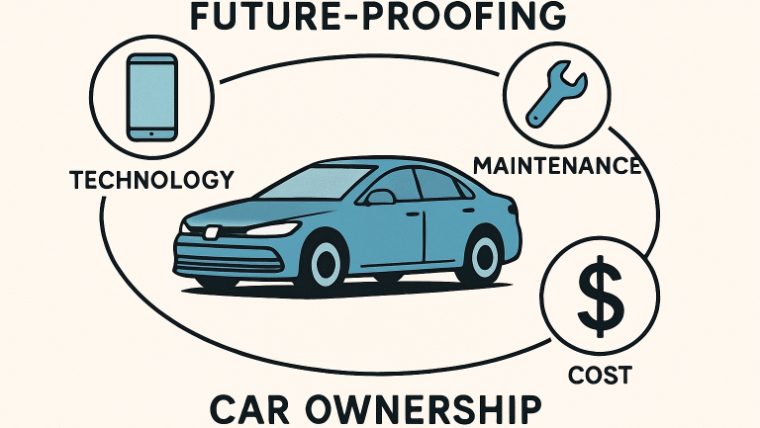

Today’s vehicles are advancing at an unprecedented pace, incorporating cutting-edge technologies that deliver greater comfort, stronger safety features, and enhanced convenience for drivers. With every new model release, automobiles are evolving beyond simple means of transportation and becoming intelligent spaces designed to support the lifestyles and daily routines of modern motorists. From innovative driver-assistance systems and seamless connectivity to eco-friendly, sustainable materials, these developments are reshaping the overall driving experience. As automotive technology continues to progress, consumers are encouraged to learn more about how these innovations are influencing mobility and redefining what it means to be on the road.
Thanks to innovations in the automotive world, drivers and passengers can enjoy greater peace of mind on the road. Navigating busy highways and city streets is safer and less stressful, while updated infotainment technology ensures an enjoyable and productive commute. These new features are not only changing how we travel but also how we interact with our vehicles, paving the way for a future where convenience and sustainability are paramount.
Table of Contents
- 1 Enhanced Safety with Advanced Driver Assistance Systems
- 2 Seamless Connectivity and Infotainment
- 3 Personalized Comfort Through Adaptive Interiors
- 4 Biometric Security and Personalization
- 5 Over-the-Air Updates: Keeping Vehicles Current
- 6 Artificial Intelligence in Vehicle Maintenance
- 7 Sustainable Materials and Eco-Friendly Designs
- 8 Conclusion
Enhanced Safety with Advanced Driver Assistance Systems
Advanced Driver Assistance Systems (ADAS) are at the forefront of car safety. These systems use cameras, radar, and sensors to monitor surroundings and assist drivers by alerting them to hazards, automatically braking in emergencies, or keeping vehicles centered in their lanes. Features such as adaptive cruise control, blind-spot monitoring, and lane-keeping assist are becoming widely adopted. According to the National Highway Traffic Safety Administration, these technologies are proving effective in reducing accidents and saving lives by addressing common causes of human error.
Seamless Connectivity and Infotainment
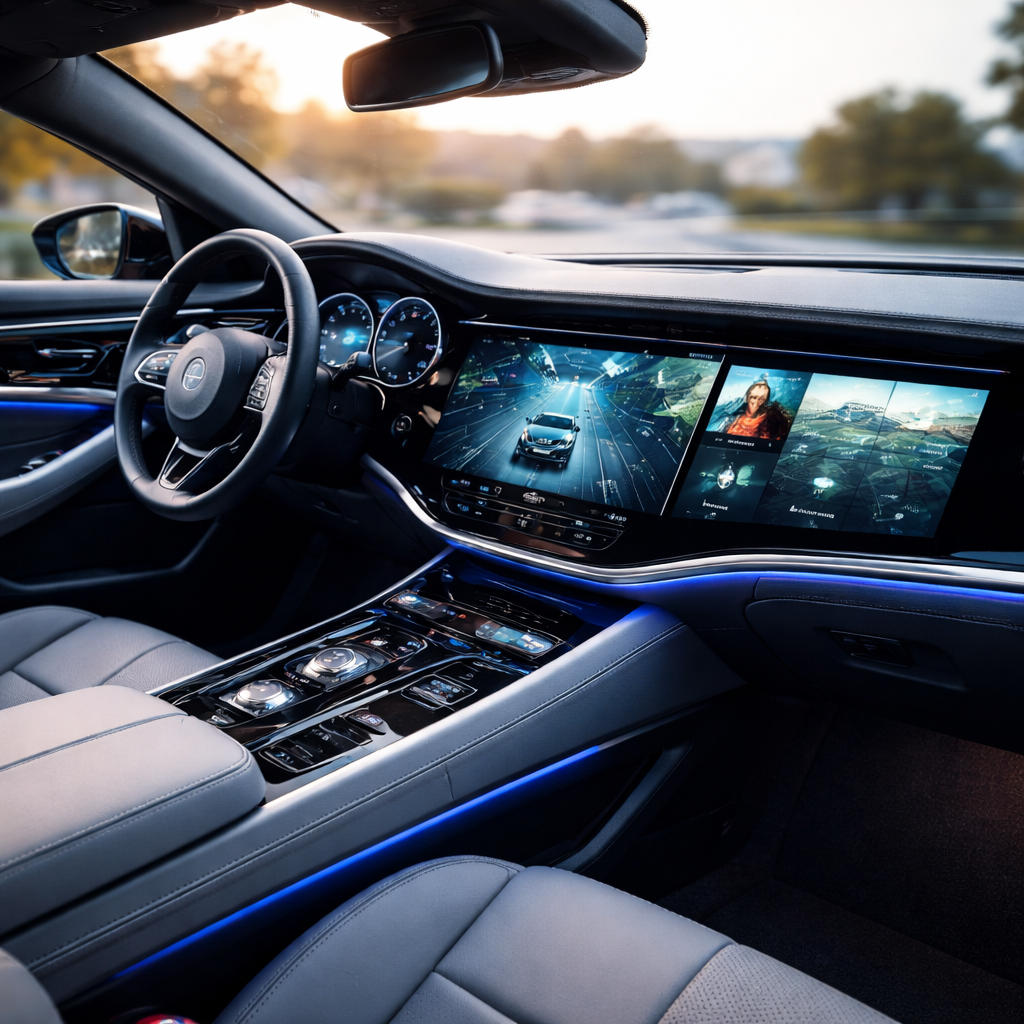
Infotainment systems have turned modern vehicles into mobile hubs for work and leisure. Large touchscreens, intuitive voice controls, and smartphone integration allow seamless access to navigation, calls, messages, and streaming media. This level of connectivity ensures that drivers remain focused on the road while having everything they need at their fingertips. The addition of real-time traffic updates, customizable dashboards, and access to digital assistants is reshaping the standard for what drivers can expect on their daily commutes.
Personalized Comfort Through Adaptive Interiors
The interior of a modern car is more customizable than ever before. Adjustable seating with memory functions, heated and ventilated seats, customizable cabin temperatures, and ambient lighting transform the driving environment. These adaptive interiors let every passenger tailor their comfort settings, making long journeys less tiring and everyday rides more enjoyable. Manufacturers are paying close attention to ergonomics and materials, striving to reduce fatigue and increase occupant satisfaction.
Biometric Security and Personalization
The rise of biometric technology is redefining automotive security and personalization. Instead of traditional keys, many vehicles now offer options such as fingerprint scanners or facial recognition systems for authentication. These biometric systems not only enhance security by making unauthorized entry more difficult, but also personalize the user experience. Upon recognizing the driver, the vehicle can automatically adjust seat positions, climate control, and entertainment preferences based on a saved user profile. As this technology matures, it is likely to become standard, offering a mix of enhanced security and ultimate convenience.
Over-the-Air Updates: Keeping Vehicles Current
Over-the-Air (OTA) updates represent a transformative advancement in vehicle maintenance and performance enhancement. Instead of scheduling dealership appointments for software revisions, drivers can receive updates wirelessly through secure internet connections. These remote upgrades can address system bugs, optimize engine or battery performance, refine driver-assistance technologies, and introduce entirely new features that improve safety and infotainment experiences. In some cases, manufacturers can even enhance navigation accuracy or user interface responsiveness. By eliminating unnecessary service visits, OTA updates save time and reduce inconvenience while ensuring vehicles remain current, secure, and aligned with the latest technological innovations throughout their lifecycle.
Artificial Intelligence in Vehicle Maintenance
Car manufacturers are harnessing artificial intelligence to predict and prevent mechanical issues before they become problematic. Connected sensors throughout the vehicle collect data on everything from engine performance to brake wear and send it to cloud-based AI platforms for analysis. Algorithms can quickly detect patterns that signal early trouble and alert owners via their smartphones, enabling proactive maintenance. This innovation helps extend vehicle lifespan, enhance reliability, and reduce long-term repair costs. According to TechAim, AI-driven car care is one of the fastest-growing areas in modern automotive technology.
Sustainable Materials and Eco-Friendly Designs
The automotive industry is increasingly focused on sustainability. Many car manufacturers now incorporate recycled plastics, plant-based leathers, and renewable fabrics into their vehicle interiors. This trend reflects both consumer awareness and regulatory changes encouraging eco-friendly practices. By choosing sustainable materials, automakers are reducing their environmental footprint and providing greener options for buyers. Initiatives such as using water-based paints and increasing the recyclability of components further reinforce this green approach to vehicle manufacturing.
Conclusion
The rapid development of new car features continues to enhance every aspect of daily life for drivers and passengers alike. From sophisticated safety and security systems to luxurious adaptive interiors and eco-friendly materials, today’s vehicles offer an experience that goes far beyond mere transportation. Innovation ensures that cars will become even more integral to our digital and connected lifestyles, supporting convenience, sustainability, and personal well-being every day. Keeping pace with these advancements means drivers can enjoy safer, smarter, and more enjoyable journeys now and in the future.