




Table of Contents
Understanding Mediation and Litigation
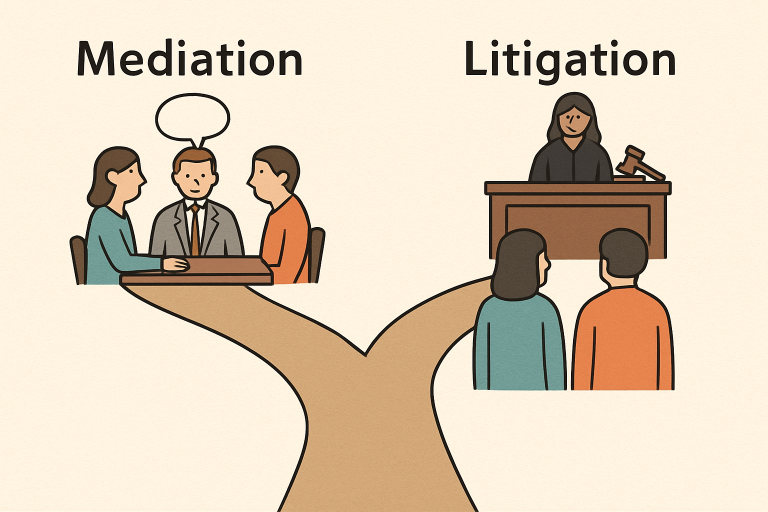
When Massachusetts families encounter disputes, especially in the context of divorce, two primary methods often come into focus: mediation and litigation. Mediation involves a neutral third party who helps families reach agreements outside of court, whereas litigation is a formal court process in which a judge makes the final decisions. The path a family chooses can greatly affect not only the outcome but also the emotional and financial well-being of everyone involved. For those considering mediation in particular, seeking guidance from an experienced firm such as Turco Legal, P.C. can help families understand what to expect throughout the process and how to protect their best interests.
The nature of each method shapes the experience for all parties. Mediation thrives on collaboration and empathy, fostering open dialogue and mutually beneficial solutions. Litigation follows formal procedures, can become combative, and often ends up in polarized settings where the parties have less control over the outcome. Understanding these differences is crucial for families weighing their options, as the resolution method chosen has a lasting impact on post-dispute relationships and well-being.
Time and Cost Considerations
For many Massachusetts families, the urgency of resolving disputes and the financial burden of legal proceedings are significant concerns. Mediation, due to its cooperative nature and simpler process, typically resolves disputes much faster than litigation. Mediation sessions can conclude within a matter of weeks. At the same time, court cases may drag on for months or even years, accumulating higher legal fees, court expenses, and emotional costs along the way. According to the New York Times, mediation’s efficiency often appeals to families who want to avoid prolonged legal battles and keep costs manageable.
Even aside from direct financial savings, mediation can help limit indirect expenses, such as lost work hours and extended childcare, further easing the strain on families. In contrast, litigation’s drawn-out schedules can be stressful, leaving families with less flexibility and requiring more time to resolve their issues.
Confidentiality and Privacy
A key distinction between mediation and litigation is the level of privacy. Mediation sessions are private and confidential, which means everything discussed is protected from public disclosure. This helps families safeguard personal information, which is particularly important when sensitive issues or financial matters are at stake. By contrast, litigation happens in public court, and records become part of the public domain, exposing family matters that many would prefer to keep private. Forbes highlights how confidentiality can be a deciding factor for families wary of public visibility during emotionally charged times.
Emotional Impact and Family Dynamics
Litigation can intensify conflict, fostering a contentious atmosphere that can deepen emotional wounds, particularly where children are involved. The competitive and adversarial nature of litigation may lead to entrenched positions and lasting hard feelings. Mediation, by contrast, promotes a spirit of cooperation and respectful communication. This collaborative setting often results in less emotional distress and can lay the groundwork for healthier ongoing relationships, which is beneficial for co-parenting after divorce.
Control Over Outcomes
Mediation empowers families to shape their own agreements, allowing for solutions tailored to their unique needs and circumstances. The flexibility of mediation allows families to consider creative, individualized arrangements, thereby increasing the likelihood of satisfaction with the final resolution. Litigation removes this flexibility by putting decisions in the hands of a judge, who may not have an in-depth understanding of the family’s specific preferences. This loss of control can lead to court-imposed outcomes that feel less suitable and more difficult to accept.
Impact on Children
Children are particularly vulnerable during family disputes. Mediation can play a critical role in shielding children from the tension of courtroom battles by fostering amicable communication and reducing exposure to parental conflict. Through problem-solving and centering the children’s best interests, mediation often results in parenting plans that support a more peaceful and stable post-divorce family environment. The adversarial nature of litigation, conversely, can draw children into disputes and increase the psychological burden they experience during parental separation.
Legal Binding and Enforcement
It’s a common misconception that mediation agreements lack enforceability. In reality, once a mediated agreement receives court approval, it becomes legally binding, giving both parties the security of a court order. Litigation outcomes are also binding, but they’re immediately enforceable by law following the judge’s decision. To ensure the protection of all parties, it’s essential for mediated settlements to be carefully documented and formally approved; failure to do so can leave families vulnerable to future disagreements or complications.
When to Choose Mediation or Litigation
Mediation is best suited for families who are able and willing to work together, even amid disagreements, to find mutually beneficial solutions. It’s particularly effective when both parties are committed to collaboration and open communication. However, mediation may not be appropriate in cases involving domestic violence, significant power imbalances, or where there is a lack of willingness to compromise. Litigation becomes necessary when mediation fails or when the safety, rights, or welfare of one party cannot be guaranteed outside of the formal court system. In these high-stakes or unsafe situations, the structure and authority of litigation provide necessary protections.
Final Thoughts
Massachusetts families facing disputes are presented with a crucial decision: pursue mediation, which focuses on collaboration and privacy, or litigation, which offers the structure of the court but potentially greater emotional and financial costs. Understanding the distinct features of each approach helps families choose the path best aligned with their needs, values, and circumstances for more sustainable outcomes. For any family navigating this crossroads, consulting with knowledgeable professionals and exploring all available options can offer the clarity and support needed to move forward with confidence.


