

Table of Contents
Understanding the Total Cost of Ownership
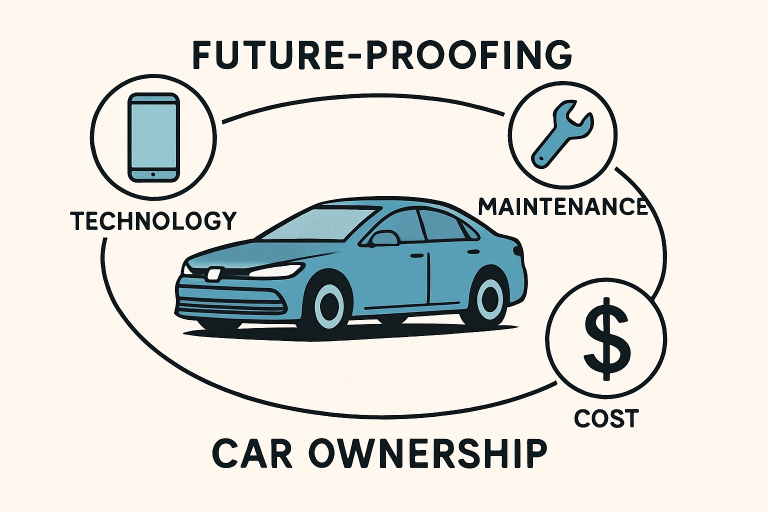
Car ownership has long symbolized independence and everyday convenience, but financially savvy consumers now understand that it represents a substantial long-term investment. Beyond the initial purchase price, buyers must account for continuing expenses such as depreciation, loan interest, insurance premiums, fuel, registration, and routine maintenance. Since January 2020, the overall cost of owning a vehicle has climbed by 41%, significantly outpacing the 25% rise in general consumer prices during the same timeframe. Increasing insurance rates, higher repair expenses, and tariffs on imported auto parts have all contributed to this sharp growth. To make informed decisions and protect your financial stability, take time to evaluate every cost carefully, and explore trusted resources to learn more before committing to a purchase.
Making informed choices can mitigate many of these rising expenses. For example, selecting a model with proven reliability and strong fuel economy can result in measurable savings over time. Utilizing trusted resources such as Edmunds and the Kelley Blue Book lets you compare the five-year cost projections for different vehicles. These tools empower buyers to look past the initial sales price and consider their car’s true long-term impact on their budget. For a deeper dive into budgeting and ownership costs, Kiplinger’s guide provides valuable insight.
Exploring Alternative Ownership Models
Vehicle ownership is shifting rapidly as consumers seek more flexible, cost-effective ways to get around. Innovative options such as Mobility-as-a-Service (MaaS) are becoming increasingly popular worldwide. Subscription-based programs and short-term rental fleets offer access to multiple models, including electric vehicles and autonomous shuttles, without the burdens of traditional ownership. Research suggests that by 2035, up to 40% of personal transportation in some developed regions may operate under these alternative models. As a result, drivers can enjoy benefits such as lower personal costs, reduced responsibility for repairs and insurance, and seamless upgrades to the latest technology without the traditional trade-in headaches.
This transformation is largely driven by the high upfront costs of advanced electric and autonomous vehicles, as well as the growing demand for convenience. Instead of investing in a single expensive asset, consumers can now tailor their transportation to their lifestyle and budget. Such changes signal a fundamental shift in our relationship with vehicles, as described in a recent New York Times article exploring the future of ownership and access.
Embracing Technological Advancements
Modern cars have evolved from simple means of transportation into technological powerhouses that integrate seamlessly with digital lifestyles. The latest models are equipped to manage your daily schedule, communicate with smart home devices, and provide personalized health insights. These “connected vehicles” generate valuable data and offer subscription-based features. Experts estimate automakers could earn an additional $1,600 per vehicle each year from these connected services. Integration with digital home assistants, real-time navigation updates, and enhanced safety monitoring are just the beginning. By investing in vehicles that are compatible with technological upgrades, owners can ensure their cars remain relevant and valuable for years to come.
Technological advancement does not stop at connectivity. The move toward autonomous driving and intelligent safety features is reshaping insurance, traffic management, and even the way cars are maintained. Regular software updates will soon be as important as oil changes. Being an early adopter of these features can improve day-to-day convenience while enhancing long-term safety and value. More information on these evolving trends can be found on Forbes.
Regular Maintenance and Proactive Measures
As cars become more complex, routine maintenance is critical. Regular oil changes, timely brake inspections, and up-to-date software are just a few examples of how proactive care can save owners thousands of dollars in repairs. Advanced systems in modern cars can make even simple repairs more expensive, sometimes by nearly 40%, compared to less advanced vehicles. Staying on top of scheduled check-ups not only protects your investment but also keeps your vehicle running safely and efficiently for the long term.
Owners who proactively address minor issues before they evolve into larger problems also experience fewer disruptions. Keeping records of all maintenance and adhering to manufacturer recommendations can make a substantial difference when it comes time to sell or trade in your car. For additional tips, AAA’s maintenance cost guide offers practical advice for cost-conscious consumers.
Considering Electric Vehicles (EVs)
Electric vehicles are rapidly staking their claim in the U.S. market, supported by federal, state, and local incentives. By 2023, cumulative sales had reached 4.7 million plug-in vehicles, a testament to their growing appeal and to the supporting infrastructure. In 2023 alone, over 1.4 million units were sold, representing a record market share of 9.1%. Buyers are increasingly drawn not only to the environmental benefits, but also to the long-term savings on fuel and maintenance costs. As manufacturers continue to expand their electric offerings, choosing an EV can be a smart way to future-proof vehicle ownership.
Staying Informed About Industry Trends
The automotive sector is in the midst of an unprecedented evolution. International momentum to phase out fossil-fuel vehicles is accelerating. Automotive giants like General Motors and Nissan have made bold commitments to electrify their lineups by 2035 and 2030, respectively. This transition will redefine accessibility, pricing, and resale value across the next decade. Staying engaged with these larger trends ensures you can plan accordingly, whether you are buying now or considering your next upgrade. For updates, NPR’s report on new industry standards is an excellent resource.
Evaluating Insurance Options
As the vehicles themselves evolve, so do insurance models. Connected cars, in particular, are encouraging insurers to offer personalized premiums based on real-time driving behavior. Safe, cautious drivers who opt into usage-based insurance can unlock substantial discounts, while more accurate pricing helps everyone find rates that best match their risk profiles. It is vital to shop around and periodically re-compare quotes. Even small changes in your vehicle or location can significantly impact your coverage costs.
Many insurance carriers now offer mobile apps or online portals to monitor your policy, update coverage, and file claims. Embracing these digital tools can simplify your insurance experience and help you catch savings opportunities as they arise.
Conclusion
The future of car ownership will look very different from what many consumers are accustomed to. With rising costs, advancing technology, new ownership models, and shifting industry standards, it is more important than ever to stay informed and adaptable. Armed with a well-rounded understanding of the costs and opportunities involved, you can make a confident, future-ready decision about your next vehicle.