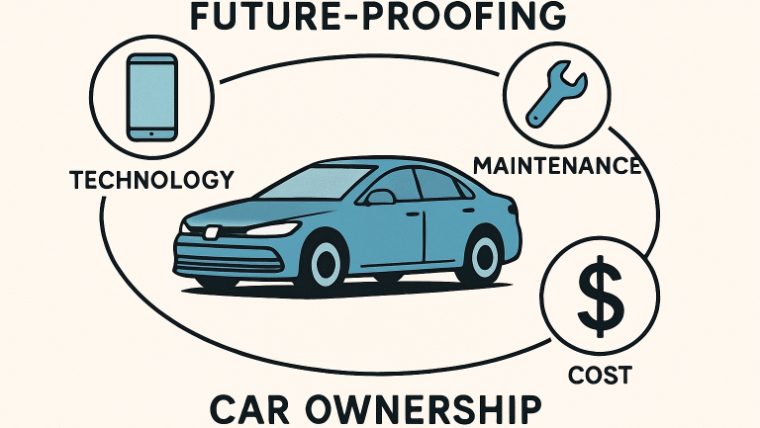

Regular car maintenance is about much more than following a schedule or checking boxes for basic care. By making upkeep a habitual part of your car ownership experience, you greatly reduce the likelihood of costly, inconvenient breakdowns and slow, subtle deterioration that shortens a vehicle’s lifespan. Following the right routine and leveraging expert resources will help ensure your car stays reliable and efficient over many years. Learn more about how consistent maintenance can extend your vehicle’s lifespan and improve performance.
Routine inspections and timely servicing help protect your vehicle from avoidable damage. Maintenance practices like changing oil, monitoring tire pressure, and checking fluids may seem simple, but they are critical to preserving your car’s value and safety features. They prevent unexpected surprises and keep mechanical systems operating at peak performance.
Making proactive choices in how you care for your car also gives you peace of mind. When foundational maintenance is overlooked, minor issues can snowball into major repairs that drain your budget and disrupt your life. With a little knowledge and planning, drivers can sidestep these headaches and enjoy greater confidence on the road.
Car longevity is not just a matter of luck or brand reputation. Owners who prioritize maintenance tend to drive vehicles that last longer and experience fewer serious incidents. From early problem detection to maximizing resale value, regular care is a smart investment for any vehicle owner.
Table of Contents
- 1 Regular Oil Changes: The Lifeblood of Your Engine
- 2 Tire Maintenance: Ensuring Safety and Efficiency
- 3 Fluid Checks: Keeping Systems Running Smoothly
- 4 Brake System Maintenance: A Safety Priority
- 5 Air Filter Replacement: Supporting Engine Longevity
- 6 Adopting Mindful Driving Habits
- 7 Keeping Your Car Clean: More Than Aesthetics
- 8 Final Thoughts
Regular Oil Changes: The Lifeblood of Your Engine
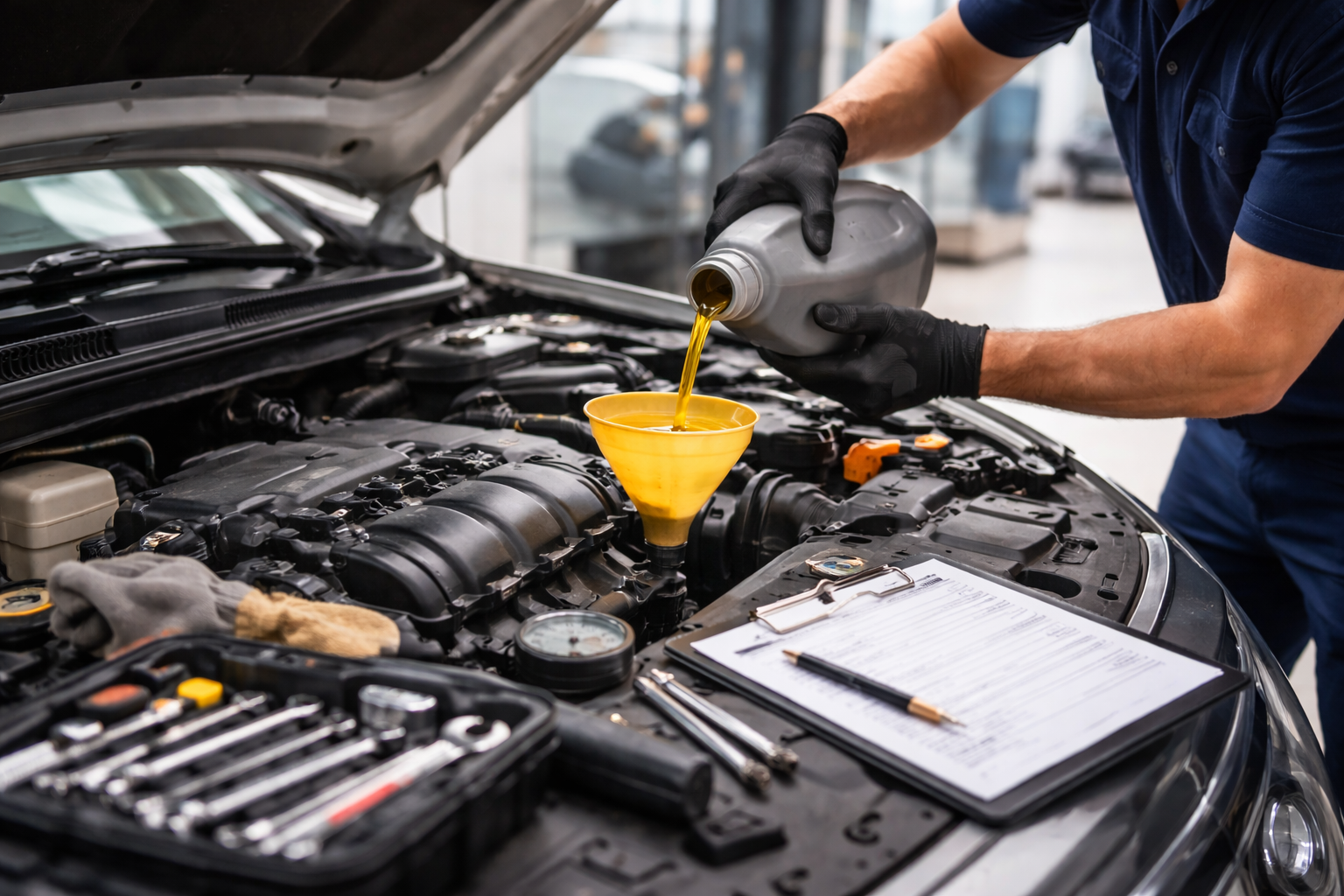
Oil serves as the primary lubricant for an engine’s moving parts. It minimizes metal-on-metal friction, regulates temperature, and sweeps away contaminants. Over time, oil viscosity degrades, and it accumulates particulate matter, reducing its protective properties. Skipping routine oil changes can lead to engine sludge, reduced performance, and even catastrophic engine damage. Following the recommended intervals, generally every 3,000 to 5,000 miles for conventional oil and 7,500 to 10,000 miles for synthetic, keeps the engine running smoothly and cleanly.
Tire Maintenance: Ensuring Safety and Efficiency
The condition of your tires affects every drive, influencing handling, braking, and even fuel economy. Under-inflated or worn tires risk blowouts and reduce grip, especially in challenging weather conditions. Maintain optimal tire pressure based on your manufacturer’s recommendations and rotate your tires regularly to ensure even wear across all four. Checking tire tread for depth and signs of irregular wear spotlights potential alignment or suspension issues early, which further extends both tire and vehicle life.
Fluid Checks: Keeping Systems Running Smoothly
Modern vehicles rely on a suite of specialized fluids, including transmission, coolant, brake, and power steering fluids, each of which plays a distinct role in keeping internal systems healthy. Fluctuations or drops in fluid levels, or changes in color and consistency, often signal underlying mechanical issues. Checking and topping off or replacing fluids at least twice a year reduces friction in moving parts, helps regulate temperatures, and prevents unexpected failures and expensive repairs down the line.
Brake System Maintenance: A Safety Priority
Brakes are essential for driver and passenger safety, and their proper function depends on regular inspection and maintenance. Brake pads wear progressively and require timely replacement; the same goes for brake fluid, which absorbs moisture over time and loses effectiveness. Neglecting brake maintenance can damage expensive components such as calipers and brake lines, compromising critical safety systems. Early intervention with worn parts costs less and significantly lowers the risks on the road.
Air Filter Replacement: Supporting Engine Longevity
An engine’s ability to “breathe” affects both its efficiency and longevity. Air filters block dirt, dust, pollen, and other particles from entering the engine. If left unchecked, a clogged air filter causes reduced power, lower fuel efficiency, and accelerated engine wear. Replacing air filters according to manufacturer guidelines restores optimal airflow, supports fuel combustion, and prevents contaminants from causing internal damage. Clean air filters also support emissions systems in functioning correctly, minimizing environmental impact.
Adopting Mindful Driving Habits
Driver behavior is an often-overlooked aspect of vehicle maintenance. Rapid acceleration, harsh braking, and abrupt steering maneuvers all accelerate wear on engines, transmissions, brakes, and suspension components. In contrast, gentle acceleration, measured braking, and steady speeds reduce strain, adding years to your car’s life. Defensive driving practices not only improve safety but also are a simple way to reduce repair frequency and the need for major part replacements.
Keeping Your Car Clean: More Than Aesthetics
Washing and waxing your car preserves its appearance, but the benefits run far deeper. Road grime, de-icing salts, bugs, and tree sap eat away at a car’s paint if left untreated, eventually reaching and corroding the metal beneath. Interior cleanliness also prevents premature wear on seats, controls, and carpets. Applying protective coatings and using proper wash techniques ensures your car remains rust-free, retains its shine, and even improves resale value over time.
Final Thoughts
Routine car maintenance is one of the most effective ways to safeguard your investment. By keeping on top of essential tasks like oil changes, tire care, and fluid checks, you extend your vehicle’s operational lifespan and keep it running efficiently and safely year after year. Proactive care reduces costs, fosters reliability, and ensures that your car remains a dependable companion wherever you go.