Discovering human waste in a rented home, communal area or vacant property can be distressing. It may involve faeces left on floors, urine-soaked furnishings, soiled bedding or containers used because a toilet is broken. Whatever the circumstances, the first priority is to protect people from exposure, not to begin cleaning immediately.
Hannah from Lily’s Ladies Cleaning Services says “For landlords, housing associations, property managers and contractors, a sensible response involves restricting access, assessing the contamination and deciding whether trained staff can deal with it or specialist help is needed. https://llcsltd.co.uk/ Waste disposal and repairs may also be necessary before the property can be used normally again.
1. Keep People Away and Assess the Situation
Prevent unnecessary access to the affected area. Keep children, pets, residents and contractors away from visible waste. In communal areas, use a suitable barrier or warning sign without blocking an essential escape route.
If it is safe to do so, note where the waste is, how much is present and which surfaces are affected. Photographs taken from a safe distance may help with arranging cleaning, recording property damage or discussing an insurance claim. Do not lift carpets, open bags of unknown material or move contaminated furniture simply to investigate.
If the contamination suggests someone may be unwell, vulnerable or living without working sanitation, consider their immediate welfare as well as the cleaning requirements. A broken toilet or serious plumbing problem needs attention alongside removal of the waste.
2. Understand the Health Risks
Human faeces can contain organisms that cause gastrointestinal illness. Exposure can occur when contaminated hands or surfaces transfer material to the mouth, or through splashes. Urine presents different risks depending on its source and circumstances. Not every deposit contains the same organisms or creates the same level of danger.
The scale of contamination matters. A small, contained deposit on an accessible hard surface is different from extensive faecal contamination, sewage, blood or liquid waste that has soaked through flooring. Dried material should not be treated as harmless merely because it no longer looks wet.
Anyone who has had waste splashed into their eyes or mouth, or exposed broken skin, should rinse the affected area and seek appropriate medical advice. Seek prompt help if symptoms develop or exposure is significant.
3. Decide Whether Specialist Cleaning Is Necessary
A minor, contained incident may be manageable by appropriately trained staff following a risk assessment and a safe cleaning procedure. Extensive contamination, unknown substances, sharps, sewage or deeply affected porous materials may require specialist biohazard cleaning.
The decision should be based on the actual hazard, not a blanket rule that every trace of human waste requires a specialist contractor. Staff should not be asked to handle a situation beyond their training, equipment or agreed duties.
Where the waste is mixed with needles, broken glass or suspicious materials, stop and arrange a suitable assessment rather than attempting to sort the contents by hand.
4. Avoid Cleaning Methods That Spread Contamination
Do not dry-brush or sweep faecal material into dust. Avoid ordinary vacuum cleaners on contaminated deposits, as they can spread particles and contaminate the machine. Pressure washing indoors may spread droplets and drive material into gaps.
Cleaning and disinfection are separate steps. Visible contamination must be removed using an appropriate method before a suitable disinfectant is applied where needed. Follow the product instructions, including dilution and contact time. Never mix bleach with acids, ammonia-containing products or other cleaners.
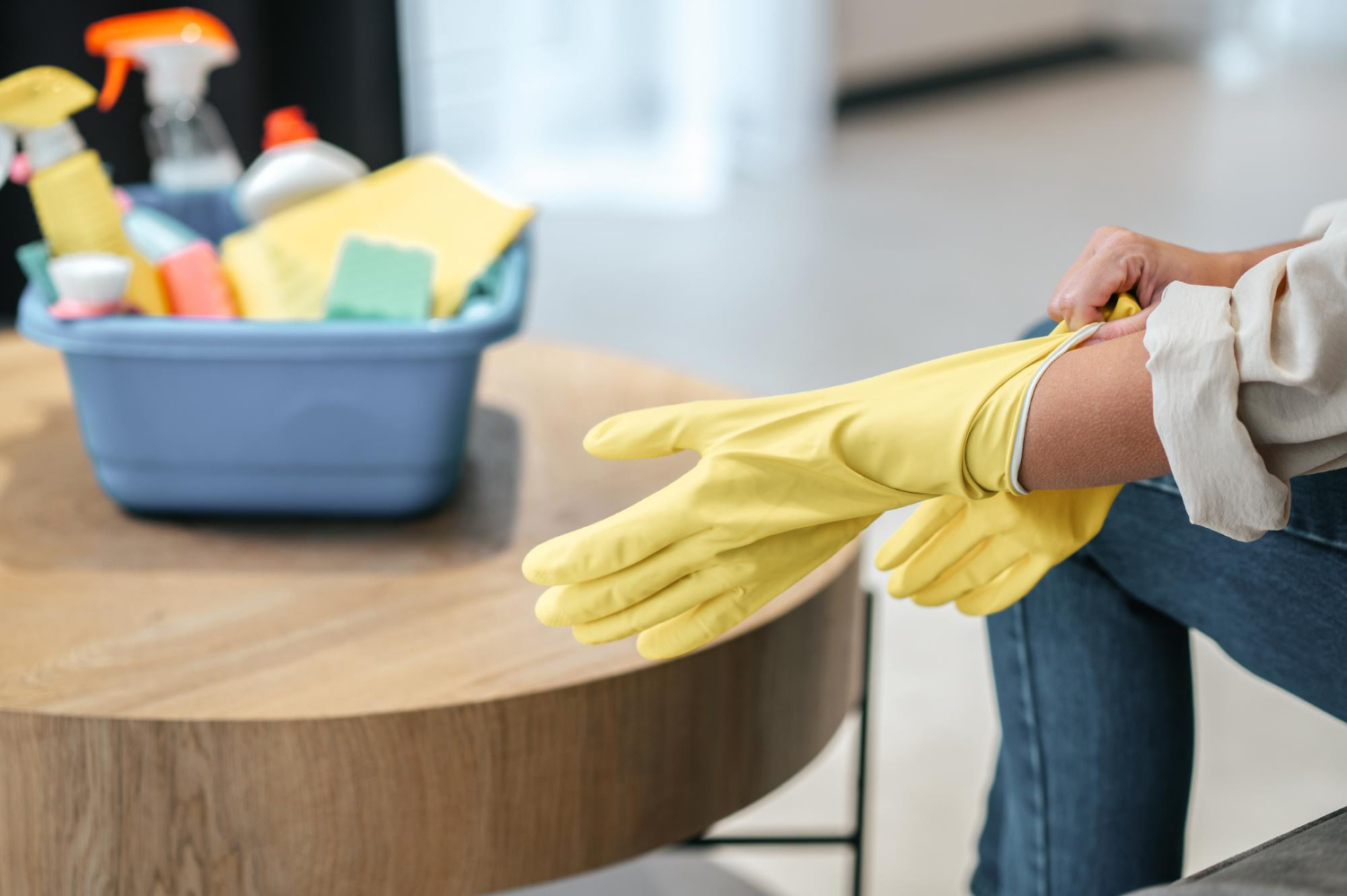
Protective equipment should reflect the task and risk assessment. This may include gloves, protective clothing and eye protection; respiratory protection is not automatically required for every incident. Remove protective equipment carefully and wash hands thoroughly afterwards.
5. Check Carpets, Flooring and Other Porous Materials
Urine and liquid waste can penetrate carpets, underlay, soft furnishings, timber and damaged flooring. Cleaning the visible surface may not resolve contamination that has reached deeper layers. The extent should be assessed before deciding whether an item can be treated or needs replacing.
There is no universal rule that every contaminated carpet or mattress must be discarded. Equally, surface deodorising alone is not evidence that an absorbent material has been adequately cleaned. The decision depends on the material, contamination and whether effective treatment is realistically possible.
If skirting boards, subfloors or plasterboard have been affected, cleaning may need to be followed by repairs. Persistent odours can indicate that contamination remains, although smell alone is not a reliable test of hygiene.
6. Classify and Dispose of Waste Correctly
Waste classification depends on its source, composition and risks. Human waste and contaminated materials are not automatically hazardous waste in every situation. Some material may be classified as offensive waste, while waste presenting an infection risk may require a different classification and handling route.
Do not assume that every item belongs in a particular coloured bag or that every contaminated object must be incinerated. The correct packaging, storage, transport and disposal arrangements follow from the waste assessment and the applicable rules.
Where a business, landlord or contractor is arranging disposal, waste duty-of-care obligations may apply. Use an appropriately authorised waste carrier where required, describe the waste accurately and retain relevant transfer or consignment documentation. Household collection arrangements should not be used as a shortcut for waste arising from commercial clearance work.
7. Deal With the Cause, Not Just the Mess
Cleaning alone may not prevent the problem returning. A property with a blocked toilet, failed drainage, leaks or inadequate sanitation needs the underlying defect investigated and repaired. Where contamination has arisen in a hoarded property, the response may also involve a wider clearance plan and appropriate support for the occupier.
If the waste has been deliberately dumped, document the location and report it to the relevant property manager or local authority as appropriate. Responsibility for clearance can differ between public and private land; do not assume the council will remove waste from every private site.
Treat the circumstances sensitively. Human waste may be associated with illness, disability, mental health difficulties or inadequate facilities. Avoid assumptions about the person involved and share personal information only where necessary.
8. Check the Property Before Reoccupation
After cleaning, review the affected surfaces, any remaining staining or odour and whether damaged materials need repair or replacement. Check that sanitation and plumbing work properly and that access routes are safe.
Ask the contractor to describe the work completed, any materials removed, outstanding limitations and waste arrangements. There is no universal statutory decontamination certificate required for every incident. Clear records and a sensible final inspection are more useful than relying on a generic promise that a property is completely sterile.
If the property is being re-let, do not rush to cover damaged flooring or paint over staining before the underlying issue has been resolved.
Frequently Asked Questions
Is human faeces always hazardous waste?
No. It can pose a hygiene risk without automatically meeting the legal classification for hazardous waste. Classification depends on the material and circumstances, including whether infection risks or other hazards are present.
Can ordinary cleaners remove human waste?
For a small, contained incident, appropriately trained cleaners may be able to follow a suitable procedure. Extensive contamination, unknown hazards or deeply affected materials may call for a specialist.
Can urine-soaked carpet be saved?
Sometimes. It depends on the amount of contamination, the carpet and whether underlay or subfloor materials have been affected. A professional assessment helps determine whether cleaning or replacement is appropriate.
Should human waste go in the household bin?
Routine household waste arrangements differ from the disposal of larger quantities generated by property clearance or commercial cleaning. Check the correct classification and collection route rather than placing extensive contaminated materials in domestic bins.
What if someone becomes ill after exposure?
Seek medical advice, particularly after significant exposure or if vomiting, diarrhoea or other concerning symptoms develop. Explain the nature of the exposure to the healthcare professional.
Final Thoughts
Finding human waste in a property calls for a measured response: keep people away, assess the extent, use an appropriate cleaning method and arrange lawful disposal. Where contamination is extensive or has soaked into building materials, specialist assessment can help determine what can be cleaned and what needs replacing.
For landlords and property managers, resolving the underlying cause and keeping accurate records are just as important as removing the visible waste.