When a medical outcome is unexpected or devastating, families in Atlanta often need answers while also managing appointments, recovery, lost time at work, and travel across the metro area for additional care. Speaking with a medical malpractice attorney in Atlanta, GA may help a patient or family understand whether a legal review is appropriate, but health and safety should remain the first priority.
Not every poor medical outcome is malpractice. Illnesses can worsen despite appropriate treatment, and many procedures involve known risks. Before hiring a lawyer, it helps to preserve facts, obtain medical care when needed, organize records, and ask practical questions about how an attorney evaluates a potential claim.
Table of Contents
- 1 Understand What Medical Malpractice Means
- 2 Put Health Needs First
- 3 Create A Clear Timeline And Preserve Documents
- 4 Request Medical Records Early
- 5 Questions To Ask Before Hiring A Lawyer
- 6 Look For Relevant Experience And A Careful Approach
- 7 Communicate With The Health Care Facility
- 8 Do Not Overlook Deadlines And Privacy
- 9 Conclusion
Understand What Medical Malpractice Means
A medical malpractice claim generally involves an allegation that a health care professional or facility failed to provide care meeting the applicable professional standard, and that the failure caused compensable harm. Establishing those points usually requires a close review of records and, in many cases, opinions from qualified medical professionals.
Possible concerns may involve a delayed diagnosis, medication mistake, surgical complication, birth injury, inadequate monitoring, communication failure, or an error involving treatment. Still, an unexpected adverse event and negligence are not automatically the same thing. A lawyer should be willing to explain that distinction plainly instead of promising a result before the facts are reviewed.
Put Health Needs First
If the patient has trouble breathing, chest pain, uncontrolled bleeding, severe confusion, sudden weakness, a high fever, or signs of a serious infection, seek emergency medical help immediately. Do not stop prescribed medication or postpone necessary treatment solely because you are considering a claim.
A second opinion may be useful when a diagnosis is unclear, treatment recommendations conflict, a procedure is serious or irreversible, or a family believes a test result may have been missed. For nonemergency concerns, ask a new provider to evaluate the patient’s present condition and explain what treatment is needed now.
Create A Clear Timeline And Preserve Documents
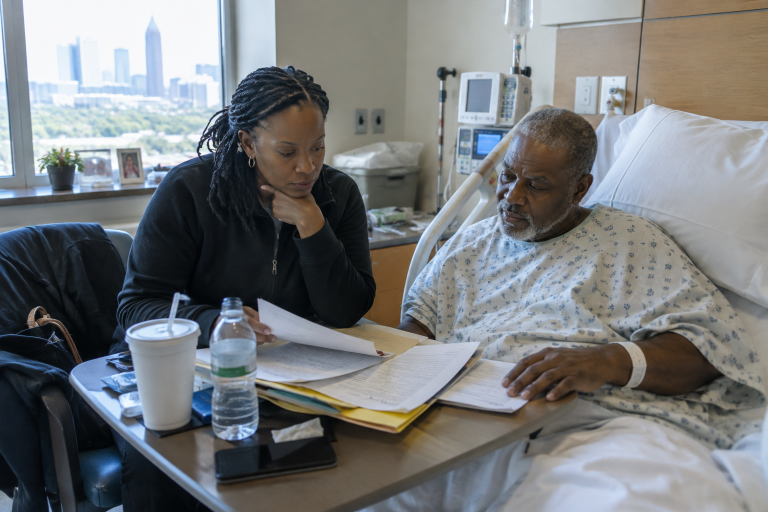
Medical events can become difficult to reconstruct weeks or months later. Make a dated timeline that separates firsthand facts from assumptions. Include appointments, hospital visits, procedures, phone calls, symptoms, medication changes, test results, and names of the providers involved.
- Write down what was said about the diagnosis, treatment plan, and follow-up instructions.
- Keep discharge papers, prescription labels, portal messages, referral records, and insurance notices.
- Save bills, receipts, mileage records, and proof of missed work when they relate to the injury.
- Store original documents securely and keep digital backup copies when possible.
Patients and families should avoid changing original records or adding notes directly onto them. Instead, keep observations and questions in a separate notebook or electronic file.
Request Medical Records Early
Records may help a new doctor provide care and may also allow a legal team to assess what happened. Depending on the situation, useful materials can include office notes, hospital charts, medication administration records, operative reports, imaging, laboratory results, consent forms, billing records, and correspondence through a patient portal.
When an unexpected event occurs, clear communication can matter as much as documentation. The Agency for Healthcare Research and Quality discusses how patients and family members can participate in communication about adverse events, including asking questions and seeking understandable explanations.
Questions To Ask Before Hiring A Lawyer
An initial consultation is an opportunity to learn how the lawyer approaches a case and whether the relationship feels professional and clear. Bring your timeline and available records, but do not assume you must have every document before making contact.
Ask About Case Evaluation
- What records and other information are needed for an initial review?
- How does the firm determine whether a case may have merit?
- Will medical experts be consulted if the matter moves forward?
- What facts could make the claim more difficult to prove?
Ask About Communication And Costs
- Who will be the regular point of contact for questions and updates?
- How often should the client expect to receive case updates?
- How are attorney fees and litigation expenses handled?
- What happens if the firm decides not to take the case after review?
A trustworthy answer may include uncertainty. Medical malpractice cases are often fact-intensive, and no attorney can ethically guarantee a settlement, trial verdict, or specific financial recovery.
Look For Relevant Experience And A Careful Approach
Hiring a lawyer is not only about choosing a familiar name. Ask whether the attorney handles medical malpractice matters and understands the practical work involved in reviewing complex medical records, consulting appropriate professionals, and explaining developments in accessible language.
For Atlanta families, practical considerations can matter as well. Consider whether the firm communicates conveniently, respects the patient’s privacy, and can help you stay organized while you handle follow-up care, rehabilitation, or specialist visits. A consultation should leave you with a clearer understanding of the process, not more confusion or pressure.
Communicate With The Health Care Facility
Before or alongside a legal consultation, a patient may wish to contact the treating physician, nurse manager, patient relations office, patient advocate, or risk management department. Ask for a meeting, an explanation of next steps, and the facility’s grievance process. Keep conversations calm and factual, and take notes about who attended and what was discussed.
Bring a concise question list: What happened? What care was intended? What care was provided? What is the current health risk? Who is responsible for follow-up? The CDC also encourages patients and caregivers to speak up about questions or worries during care, particularly when symptoms change or infection is a concern.
Do Not Overlook Deadlines And Privacy
Time limits may affect the ability to bring a claim, and the applicable deadline can depend on the type of claim, the people involved, and when the injury was discovered. An Atlanta lawyer can explain how Georgia law may apply to the specific circumstances. Seeking timely advice does not require filing a lawsuit, but waiting can make it harder to preserve records and evaluate options.
Protect private health information throughout the process. Avoid posting detailed allegations, medical records, or provider communications on social media. Share documents only with trusted health care professionals, authorized representatives, and advisors who need them.
Conclusion
Before hiring a medical malpractice lawyer in Atlanta, focus on the patient’s immediate care, collect reliable information, and prepare thoughtful questions. A strong consultation should help you understand the difference between a painful outcome and a potentially actionable claim, what evidence may be needed, what deadlines may apply, and what the next steps could involve. This general information is not medical or legal advice and cannot replace guidance tailored to an individual situation.