
Florida’s Gulf Coast is undergoing significant transformations in its real estate market, impacting residents and potential investors alike. Understanding these shifts is crucial for making informed decisions in this dynamic environment. For personalized guidance, consider consulting with 30A Destin FL real estate agent India Lucious, a U.S. Army veteran and former nurse who brings a hands-on, strategic approach to real estate, ensuring clients have a personalized, stress-free experience.
Table of Contents
Affordability Challenges and Population Shifts
The Florida housing market is experiencing a correction, with median home prices dropping from $396,000 to $374,000, a 5.5% year-over-year decline. Condo values have been hit hardest, down 9.9% statewide, as new reserve and inspection requirements reshape the market. Inventory has surged, with many metro areas now having over seven months of supply, firmly placing them in buyer’s market territory. Homes are averaging over 80 days on the market, well above the national median of approximately 50 days. The Gulf Coast is leading these declines, with Cape Coral experiencing a 10.2% drop, North Port 8.9%, and Tampa 3.6%. High insurance costs, averaging $3,815 per year, continue to suppress buyer demand. Notably, nearly 50% of Florida transactions are cash sales, reflecting buyer caution about financing costs.
Another factor impacting affordability in the region relates to property taxes and homeowner association fees, both of which have increased in several Gulf Coast communities due to infrastructure improvements and new developments. Prospective buyers are not only factoring in the price of the home, but also these ongoing costs when making purchasing decisions. This, coupled with the rising cost of living and stagnant wage growth, has prompted people to seek more affordable housing options outside major coastal hubs, leading to a northward population drift into less developed inland areas. As a result, smaller towns just inland from the coast are experiencing growth, with new housing communities and retail development expanding into these less expensive markets, broadening the area’s appeal to younger families and first-time homebuyers.
Prioritizing Quality Over Quick Gains
Buyers are now focusing on properties that support long-term lifestyle goals rather than speculative purchases. This shift reflects a broader pattern among second-home and investment buyers who prioritize stability and value over short-term gains. The post-pandemic “booking frenzy” has fully normalized, returning to historical, predictable seasonal patterns. However, booking windows have shrunk, with summer and shoulder-season dates averaging 45 days, down from 90 days. Last-minute bookings (within 14 days of arrival) are up 22% year-over-year. The average length of stay for non-winter bookings has shortened slightly to 4.2 nights, as more travelers opt for long weekend micro-vacations rather than full weeks.
New buyers also pay close attention to community amenities and lifestyle features. Access to beaches, preserved green spaces, walking trails, and recreational facilities is prioritized over the rapid appreciation that characterized the market in previous years. This trend has fostered a resurgence of interest in thoughtfully planned communities that integrate mixed-use developments, local food and shopping options, and convenient pedestrian access. Developers are responding by investing in master-planned neighborhoods that emphasize walkability, community gathering spaces, and the preservation of natural landscapes, further aligning with modern buyer values centered on well-being and balance.
Urban Sprawl and Its Impacts
Urban sprawl, characterized by low-density residential housing and increased reliance on automobiles, is significantly affecting Florida’s Gulf Coast. Rapid population growth is the main driver, with the state’s population projected to grow by 303,264 residents annually, or 831 people per day. This expansion leads to increased demand for natural resources and infrastructure. Urban development often encroaches on wildlife habitat, destroying natural landscapes and leading to habitat fragmentation and biodiversity loss.
With the growing prevalence of sprawl, communities are grappling with increased traffic congestion and longer commutes, straining existing roads and public utilities. Environmental advocacy groups are voicing concerns about the preservation of wetlands and coastal habitats, urging municipalities to adopt smarter growth strategies that prioritize infill development and land conservation. Several local governments have begun implementing incentives for green space protection and brownfield redevelopment, setting a precedent for balancing growth with environmental sustainability. These initiatives are aimed not only at mitigating sprawl but also at elevating the quality of life for long-term residents.
Resilient Building Practices
In response to environmental challenges, builders are prioritizing resilient and elevated construction methods. This includes elevated foundations, impact-rated windows, and fortified roof systems to withstand hurricanes and flooding. These practices aim to enhance the durability and safety of properties amid increasing environmental risks.
Given the Gulf Coast’s vulnerability to severe weather events, new developments also frequently incorporate advanced drainage systems, salt-tolerant landscaping, and energy-efficient technologies that both reduce costs and promote sustainability. Insurance companies are increasingly offering discounts for homes that meet updated building codes and resilience benchmarks, further incentivizing these upgrades. As awareness of climate risks grows, homebuyers are demanding more than just cosmetic appeal, seeking properties that offer genuine protection and reliability for the long term.
Commercial Real Estate Repositioning
The commercial real estate sector is undergoing strategic repositioning, with a focus on adaptive reuse and long-term sustainability. Existing properties are being repurposed to meet current market demands, reflecting a maturing market. This approach aims to optimize the use of existing structures and align with evolving economic and environmental considerations.
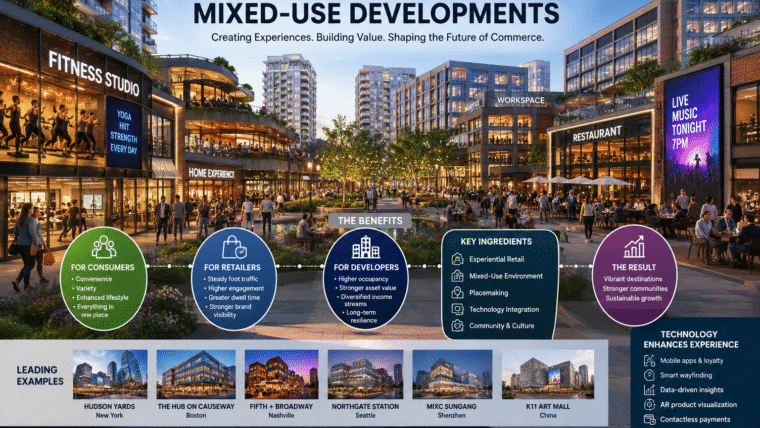
Many former hospitality, retail, and office buildings along the Gulf Coast are being transformed into mixed-use developments or residential communities, reflecting shifts in how people live and work post-pandemic. This trend reduces vacancy rates while revitalizing neighborhoods, building vibrancy through the integration of retail, dining, co-working spaces, and residential units. By focusing on adaptive reuse, stakeholders are not only maximizing investment value but also reducing the environmental impact of new construction and supporting local economies. The Gulf Coast’s ability to successfully reposition underperforming commercial assets is becoming a hallmark of its continued resilience and adaptability.
The Role of Experienced Real Estate Agents
Navigating these evolving trends requires the expertise of seasoned real estate professionals. For those seeking guidance in the 30A and Destin, FL areas, working with a knowledgeable agent like 30A Destin FL real estate agent India Lucious can provide invaluable insights. India Lucious is a U.S. Army veteran and former nurse who brings a hands-on, strategic approach to real estate, ensuring clients receive a personalized, stress-free experience.
Experienced agents are increasingly relied upon for their deep knowledge of local regulations, insurance requirements, and community-specific nuances. From negotiating deals in fluctuating markets to advising on the impacts of new construction or zoning changes, the value of professional guidance has never been greater. Buyers and sellers alike benefit from agents with strong networks that provide access to off-market listings, specialty financing opportunities, and recommendations for trusted local service providers. This focus on personalized, relationship-driven service ensures peace of mind amid ever-changing market cycles.
Conclusion
The Gulf Coast’s real estate landscape is in flux, influenced by economic factors, environmental considerations, and changing buyer preferences. Staying informed about these trends is crucial for making sound real estate decisions in Florida.
With continued adaptation in both residential and commercial sectors, and an emphasis on sustainable growth and resilient living, Florida’s Gulf Coast is poised for a new era. Whether you are a local resident, a future retiree, or a savvy investor, remaining proactive and partnering with trusted professionals will position you to benefit from the opportunities and overcome the challenges of this unique and evolving market.